Performance
Why a robot picks up less in month six than in week one
Pickup falls because the filter and brush load up, not because the motor weakens. The full maintenance routine costs 354 minutes a year on these figures.
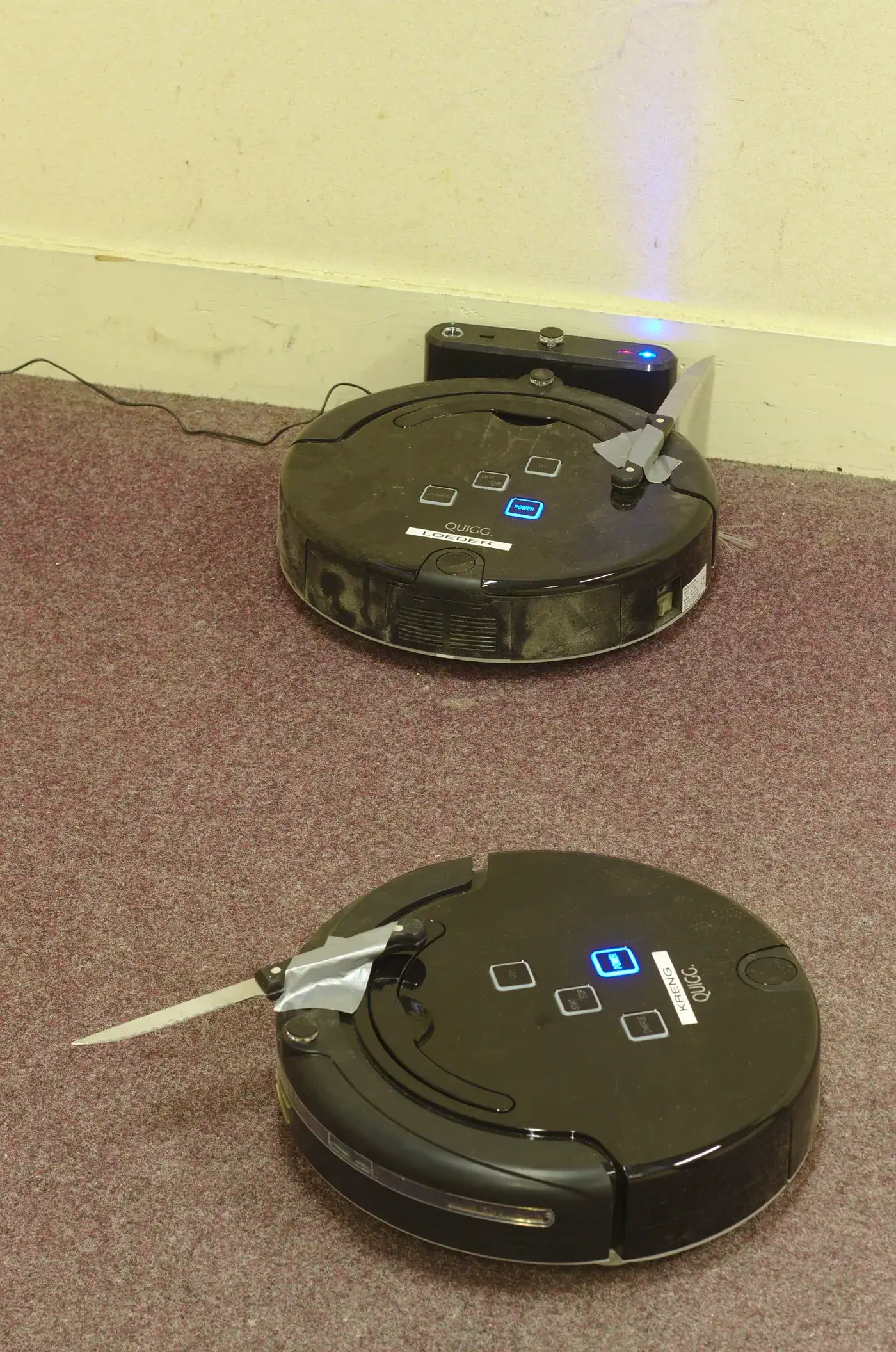
Almost every complaint that a robot vacuum has "lost suction" turns out to be three mechanical changes that happen on a predictable schedule: the filter loads with fine dust, the brush bar wraps with hair, and the drop sensors film over. None of them is a fault, and all three are reversible in minutes.
This guide puts an interval and a time cost on each one, so the routine can be scheduled rather than remembered. Where it stops being maintenance and starts being a fault, the last section says what the Australian Consumer Law actually gives you. Prices are examples, GST inclusive; this site has not tested any machine.
Three things change between week one and month six
A filter restricts airflow as it loads, and airflow is what carries dust into the bin. The motor is still drawing the same power; the air moving through the floor head is not. This is why a machine can sound identical and pick up visibly less, and why wattage printed on the box tells you nothing about the machine in month six.
The brush bar is the second change, and it is mechanical rather than aerodynamic. Hair and fibre wrap around the ends of the roller where it meets the bearing, the roller stops turning freely, and the agitation that lifts dust out of a rug stops happening. On hard floor the effect is small; on a low-pile rug it is the whole difference.
The third is the drop sensor window. A film of dust on the downward-facing sensors makes the robot read a floor as an edge, so it reverses away from an area it used to clean. The symptom reads as a navigation problem and the cause is a 2-minute wipe.
- Falling pickup on hard floor with no change in sound: filter loading
- Falling pickup on rugs only: brush bar wrapped or bearing stiff
- Rooms being skipped or the robot reversing from open floor: drop sensors filmed over
- A clean that stops early every time at roughly the same point: battery ageing rather than any of the above
A maintenance interval you can actually keep
The routine below is costed in minutes so it can be compared with the time the machine saves you. At 260 cleans a year it comes to 354 minutes, which is 5.9 hours a year or just under 30 minutes a month. Against the 17 hours a year a robot costs in supervision, maintenance is the larger half of the real time commitment.
Two of the five tasks carry a consumable cost as well. Filters at $14 every 2 months are $84 a year, and a main brush at $29 once a year brings the pair to $113. Wiping sensors and clearing hair cost nothing but the minutes.
The interval that moves most between households is the brush clearance. A household with a shedding pet clears the roller twice a week rather than once, which adds 156 minutes a year and takes the routine from 354 minutes to 510, or 8.5 hours.
| Task | Interval | Minutes each | Times a year | Minutes a year |
|---|---|---|---|---|
| Empty the bin | every 2 cleans | 1 | 130 | 130 |
| Clear hair from the brush bar | weekly | 3 | 52 | 156 |
| Wipe the drop sensors and charging contacts | monthly | 2 | 12 | 24 |
| Wash or replace the filter | every 2 months | 4 | 6 | 24 |
| Check wheels and front caster | every 6 months | 10 | 2 | 20 |
| Total | — | — | — | 354 |
354 minutes is 5.9 hours a year, or 29.5 minutes a month. Doubling the brush interval for a pet household adds 156 minutes and takes the total to 510.
Dock placement changes the map, not just the charge
A robot builds its route outward from the dock and returns to it to recharge. A dock placed in a corner that the machine has to navigate around costs part of every run, and a dock on a rug or against a skirting board with a skirting heater beside it can stop the charging contacts seating properly.
Give the dock a flat run of skirting board, clear floor either side and clear floor in front, with a power point within the cable's reach. The practical test is simple: if you can stand a shoebox either side of the dock without touching it, the robot can line up on the contacts reliably.
Placement also decides how much of the house is reachable on one charge. A dock at one end of a long floorplan means the far rooms are cleaned at the end of a cycle, when the battery is lowest, and those are the rooms that get skipped first as the battery ages. Moving the dock to the middle of the plan costs nothing and often recovers a room.
| Symptom | Likely placement cause | Change to make |
|---|---|---|
| Robot misses its dock and dies on the floor | Dock on a rug or too close to a corner | Move to a flat hard-floor run with clear space either side |
| Far rooms are cleaned rarely | Dock at one end of a long plan | Move the dock toward the centre of the floor plan |
| Cleaning cycle ends early and resumes later | Normal recharge behaviour, or an ageing battery | Compare the run length now with the run length when new |
| Robot will not leave the dock | Charging contacts dirty | Wipe contacts, which is the monthly 2-minute task above |
Three of these four cost nothing to test. Only the battery line requires a part, and a battery is an example $95 every 3 years in our running-cost guide.
Where a robot stops being the right tool
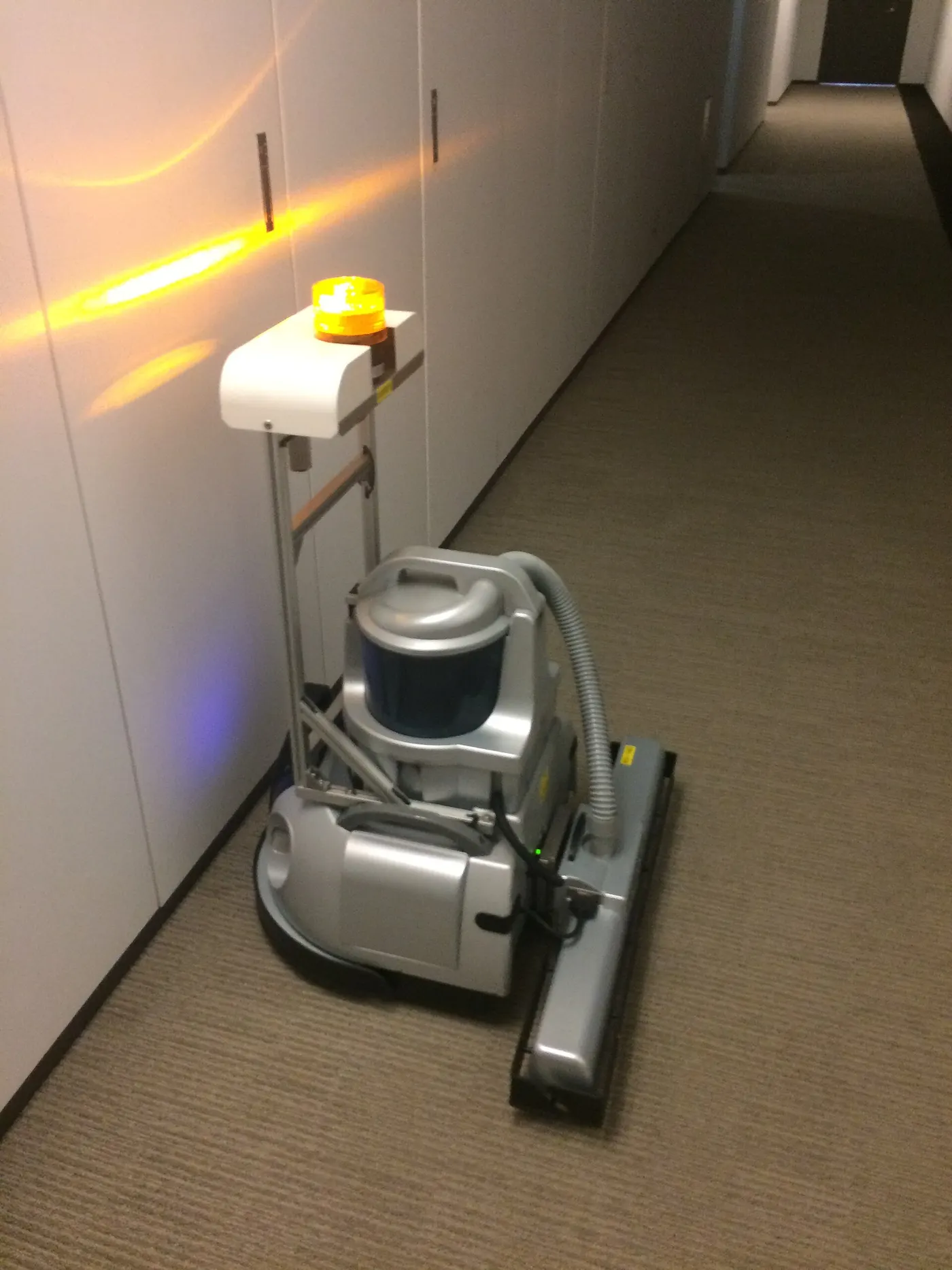
On deep pile, no amount of maintenance recovers performance that was never available. A robot's brush bar sits in a shallow housing and its airflow path is short, which is a design constraint rather than a wear problem, and the fix is a second machine for those rooms rather than a shorter filter interval.
The same applies to edges and corners. A round body cannot reach into a 90-degree corner, and the side brush flicks debris into the path rather than collecting it. Running the robot more often does not change this geometry; it just moves the same debris more often.
Knowing which of the two situations you are in saves money. If pickup fell over months, it is maintenance. If pickup was never there on a particular surface from week one, it is the wrong machine for that surface, and the honest answer is that the 25 minutes a corded barrel takes is what those rooms cost.
- Compare today's pickup with week one on the same surface, not on a different one
- Run the machine once with a brand-new filter fitted and nothing else changed
- Clear the brush bar fully, including the bearing ends, and run again
- If both tests restore pickup, the schedule above is the fix
- If neither does, and the surface never worked, the surface needs a different machine
When poor pickup is a fault, not maintenance
The Australian Consumer Law in Schedule 2 of the Competition and Consumer Act 2010 sets out a guarantee as to acceptable quality at section 54. A machine that will not reach the performance it was sold with, after the maintenance schedule above has been followed and documented, is the situation that guarantee exists for.
Section 58 covers the other half: the guarantee as to repairs and spare parts, which obliges the manufacturer to take reasonable action to make repair facilities and parts reasonably available for a reasonable period after supply, unless written notice was given before purchase that they will not be. A machine whose brush bar cannot be bought is a machine whose performance cannot be maintained.
Keep the evidence that makes either argument easy: the receipt, the dates you replaced filters and brushes, and a note of what the run time was when new. That record costs nothing and turns a vague complaint into a dated one. The Australian Bureau of Statistics recorded furnishings, household equipment and services up only 0.8 per cent in the 12 months to September 2026, so a repaired machine and a replacement cost close to the same in today's money — which makes the repair route the cheaper of the two by the whole purchase price.
Before you buy
- Empty the bin every second clean rather than when the warning appears
- Clear hair from both ends of the brush bar weekly, including around the bearings
- Wipe the drop sensors and the charging contacts once a month
- Replace or wash the filter every 2 months and write the date on it
- Check the wheels and front caster twice a year
- Give the dock a flat run of skirting board with clear floor either side
- Record the run time when the machine is new, so battery ageing is measurable later
- Keep the receipt and the maintenance dates together in case a guarantee claim is needed
Questions readers ask
- Can I wash the filter instead of replacing it?
- Washing recovers part of the airflow and costs 4 minutes rather than $14, but a pleated filter loses fibre structure each time it is wetted. A practical pattern is washing between replacements and still replacing on the 2-month interval, which keeps the filter line at $84 a year while reducing mid-interval drop-off.
- How do I tell a tired battery from a loaded filter?
- By where the clean stops rather than by how well it cleans. A loaded filter reduces pickup across the whole run at the same run length. An ageing battery keeps pickup steady and shortens the run, so the machine docks earlier and the last rooms stop being reached. Timing one full cycle answers it in a single clean.
- Is 30 minutes a month realistic?
- It is the sum of the five tasks in the table at the intervals shown: 354 minutes a year, or 29.5 a month. Most of it is the bin, at 130 minutes a year, and the brush bar, at 156. A self-emptying dock removes most of the bin line and adds a bag consumable instead, as our running-cost guide sets out.
- Does running the robot twice a day help on carpet?
- It moves more debris but does not change what the machine can lift from deep pile, because that is set by brush geometry and airflow path. It also doubles the brush and filter wear, taking the filter line from $84 to $168 a year. Two passes on low pile help; on deep pile the second pass mostly repeats the first.
- How long should a robot last before pickup legitimately declines?
- Pickup should not decline at all while filters and brushes are replaced on schedule; what declines on a calendar is the battery, and the example figure used across this site is a replacement every 3 years. A documented maintenance record is what separates normal battery ageing from a quality problem under section 54.
Sources
- Competition and Consumer Act 2010, Schedule 2 — Australian Consumer Law, s 54 acceptable quality and s 58 repairs and spare parts — checked 2026-11-03
- Australian Bureau of Statistics — Consumer Price Index, Australia, September 2026 (furnishings, household equipment and services 0.8%) — checked 2026-11-03
- Greenhouse and Energy Minimum Standards Act 2012 — product classes and GEMS determinations — checked 2026-11-03
Some links on this site can earn us a commission. That does not change which product a guide recommends, and it adds nothing to your price. Advertising is not enabled on this site yet. When it is, ads will be labelled and kept visually separate from the guides.